
PYGAD
Computer Simulation, Genomics and Data Analysis Laboratory
Department of Food Science And Nutrition
University of the Aegean
At PYGAD Laboratory we specialise in the development, application and teaching of computational methods to address key challenges in the field of health and life sciences with a focus on food science and nutrition. We integrate approaches from computational simulations, data science, and systems biology to analyze complex biological, nutritional, and environmental data.
Our team combines expertise in medical statistics/ biostatistics, computational fluid dynamics, machine learning, genomics, and bioinformatics to drive innovation in both fundamental and applied research in agro-food, nutritional epidemiology, and nutri-genomics.
PYGAD was established in 2023 (Gov. gazette 925/Β/23.02.2023).
Research Areas
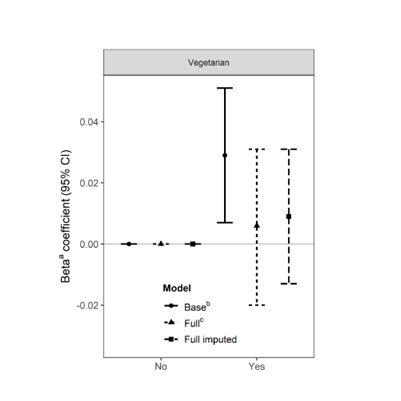
Our lab brings together expertise in biostatistics and medical statistics to explore how diet and nutrition shape health across the life-course, and how these relationships are influenced by social inequalities. We focus on developing and validating dietary assessment tools and applying them in large-scale epidemiological studies. Much of our work lies in nutritional and life-course epidemiology, where we examine how dietary patterns affect health outcomes over time. We’re also committed to understanding and addressing diet-related health disparities by using advanced statistical approaches to study the role of social and environmental factors. Our research also includes the development of reference equations, not only for nutritional and metabolic biomarkers, but also for broader applications in medical fields, such as spirometry reference scores, standard scores in developmental psychology, and clinical nomograms, aiming to enhance the accuracy and relevance of findings across diverse populations. For more information contact Dr. Vasiliki Bountziouka.
The laboratory’s research focuses on computational modeling and data analytics in the context of food science. Key areas of interest include the use of computer simulations to evaluate post-harvest grain quality and the development of innovative pest management techniques, such as fumigation and controlled atmosphere methods. In addition, the lab explores the analysis of food- and nutrition-related content on social media platforms, applying time-series analysis to detect early trends and shifts in public opinion. The team also utilizes machine learning techniques on eye-tracking data to gain deeper insights into consumer behavior, visual attention, and dietary decision-making. For more information contact Dr. Stathis Kaloudis.
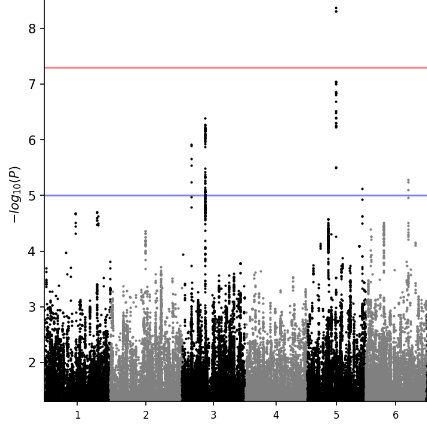
Additionally, the laboratory’s research focuses on the genetics of complex human traits, including metabolic and neuropsychiatric disorders, as well as population and archaeogenetics with an emphasis on the Greek population. Ongoing work involves the analysis of high-throughput genetic data to investigate disease architecture, genetic diversity, and evolutionary patterns. The lab also explores the genetics of non-model organisms, contributing to a broader understanding of genetic mechanisms across species. Participation in national and international consortia supports collaborative efforts to advance knowledge in medical, historical, and functional genetics. For more information contact Dr. Fotis Tsetsos.
Services
- Study design
- Medical statistics
- Data mining
- Infodemiology

- Computational Fluid Dynamics
- Machine Learning
- Optimization
- Nutrition Informatics
- Social Media analysis
- Bioinformatics
- Genomics
- Statistical genetics
Infrastructure
The Computer Simulation, Genomics and Data Analysis Laboratory operates a dedicated 20-node homogeneous compute cluster comprising identical workstations equipped with 12-core / 20-thread processors running at up to 4.58 GHz, 16.5 GB RAM, and NVMe solid-state storage, interconnected via a dedicated 100 Mbps Ethernet laboratory network and running Linux (kernel 6.8). Benchmarking reported a sustained per-node performance of 248 GFLOPS (double-precision DGEMM, 56% of theoretical peak) and 7.33 GB/s memory bandwidth (STREAM Triad benchmark), the primary determinant of large language model inference throughput. Extrapolated to the full 20-node cluster, the infrastructure delivers an aggregate 4.96 TFLOPS sustained compute performance, 146.6 GB/s aggregate memory bandwidth, 330 GB distributed RAM, and over 10 TB of NVMe storage. For large-scale NLP annotation workload, the cluster is able to process an estimated ~70000 medium sized posts (~250 words) within one day using the open-source gpt-oss-20b model (21B parameters, MXFP4 quantization, Apache 2.0 license) deployed via Ollama.
The laboratory’s computational infrastructure is further augmented by two Dell G15 5511 workstations (Intel Core i7-11800H, 8 cores / 16 threads at 2.3 GHz, 16 GB RAM), each equipped with an NVIDIA GeForce RTX 3060 GPU (6 GB VRAM). Persistent storage and data management are handled by a Synology DiskStation DS223 NAS tower populated with two Seagate IronWolf 8 TB NAS-grade HDDs (3.5″ SATA III, 7,200 RPM, 256 MB cache), providing 16 TB of raw centralized storage.
Contact
- Dr. Vasiliki Bountziouka, vboun@aegean.gr
- Dr. Stathis Kaloudis, stathiskaloudis@aegean.gr
- Dr. Fotis Tsetsos, ftsetsos@aegean.gr
Computer Simulation, Genomics and Data Analysis Laboratory
University of the Aegean
Leoforos Dimokratias 66
81400, Myrina, Lemnos, Greece